What Size Car Do You Really Need? | Forecasting Your Family’s Car Needs
One of the biggest mistakes I see families make when buying a car?
Shopping for the life they have right now instead of the one they’re building.
Most people walk into a dealership thinking about today:
One baby.
Two car seats.
And technically, yes, there are plenty of cars that can make that work.
But what about two years from now? Three? Five?
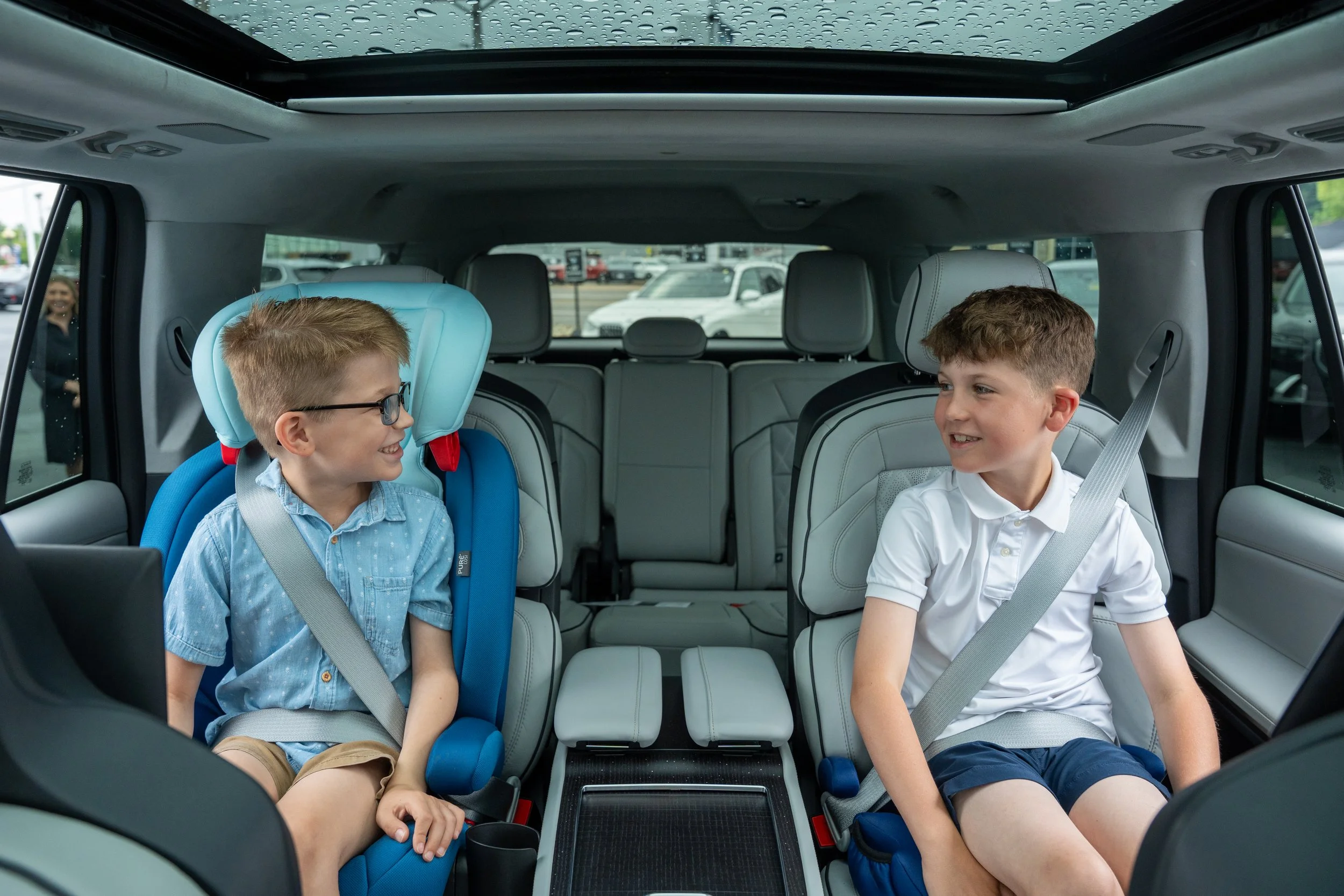
Are you hoping for another baby? Could you have three kids in car seats at once? Will you be the default carpool driver? Do you want space for grandparents to ride along comfortably?
Even a little bit of forethought here can save you thousands of dollars and a whole lot of frustration. Trading in a car because you outgrew it faster than expected is expensive and inconvenient and because you’re following me, completely avoidable!
That’s why I am so passionate forecasting your family’s growth before committing to car. The goal isn’t to buy the biggest car possible “just in case.”
It’s to choose a car that fits your life now and still works for where you’re headed.
How Long Do You Actually Plan to Keep Your Car?
Before anything else, I want you to get honest with yourself about this one question: how long do you actually plan to keep your car?
Most people say ten years. The reality? The average person switches cars every three to five years. And there's no shame in that, but there is a cost to not being upfront with yourself about it.
If you know you like driving something newer, if you tend to get restless after a few years, or if your life changes quickly, plan for that and buy for your real timeline.
Maybe that means choosing a car that fits your family well for the next three to five years instead of trying to predict the next decade. Not everyone keeps a car for ten years, even if that is the original plan. And that is okay!
A smart purchase is not about keeping a vehicle forever. It is about being honest about how long you are likely to own it and making sure it fits your family well during that window.
On the flip side, if you genuinely are a "drive it into the ground" kind of person, then it's worth thinking further ahead because a lot can change in ten years of family life.
Either way, knowing your honest answer shapes everything else about this decision.
What Will Your Family Look Like in 5 Years?
Are you hoping for another baby?
Could you have three or more kids in car seats at once?
Will you be the default carpool driver for your neighborhood? Do you want space for grandparents to ride along comfortably on family trips?
Even a little bit of forethought here can save you thousands of dollars and a whole lot of frustration. Trading in a car because you outgrew it faster than expected is expensive and inconvenient and because you're here, completely avoidable!
The goal isn't to buy the biggest car possible "just in case." It's to choose a car that fits your life now and still works for where you're headed.
To avoid any remorse post-purchase, check out one of our free resources - the Family Planning Map. This simple worksheet prompts you to think through each year you plan to own the car. Where will everyone sit? What car seat hardware will you need? This exercise helps you decide between buying and leasing and makes it easier to narrow down your vehicle options.
Why Delaying Your Purchase (If You Can) Is Actually Smart
If you're a first-time mom and you're not currently in the market for a car, my honest advice is to wait. The best car to bring your baby home in is the one you already have for a very important reason:
Because the longer you wait, the clearer your family picture becomes and the better equipped you'll be to make a decision about your car needs.
Once you have a better sense of how many kids you want, how quickly you want to have them, and what your day-to-day life actually looks like with little ones, you can make a much smarter investment.
But if you need a car now, let’s pick the very best one for your needs now and later.
Don't Be Afraid to Buy Big (If Budget Allows)
Here's something I want you to hear: if you know you want a large family, don't feel crazy buying a large car even if you only have one kid right now.
I've talked to so many parents who felt nervous to consider a minivan when they had just one child. But if you know more babies are coming, and coming soon, buying that bigger car upfront is one of the smartest financial moves you can make.
The alternative? Buying a small or midsize SUV today, having your third child two years from now, and realizing it no longer works for your family. That's what we're trying to avoid.
The Car Seat Reality Check
This is where family forecasting gets really practical. It is not just about headcount. It is about your car seat setup.
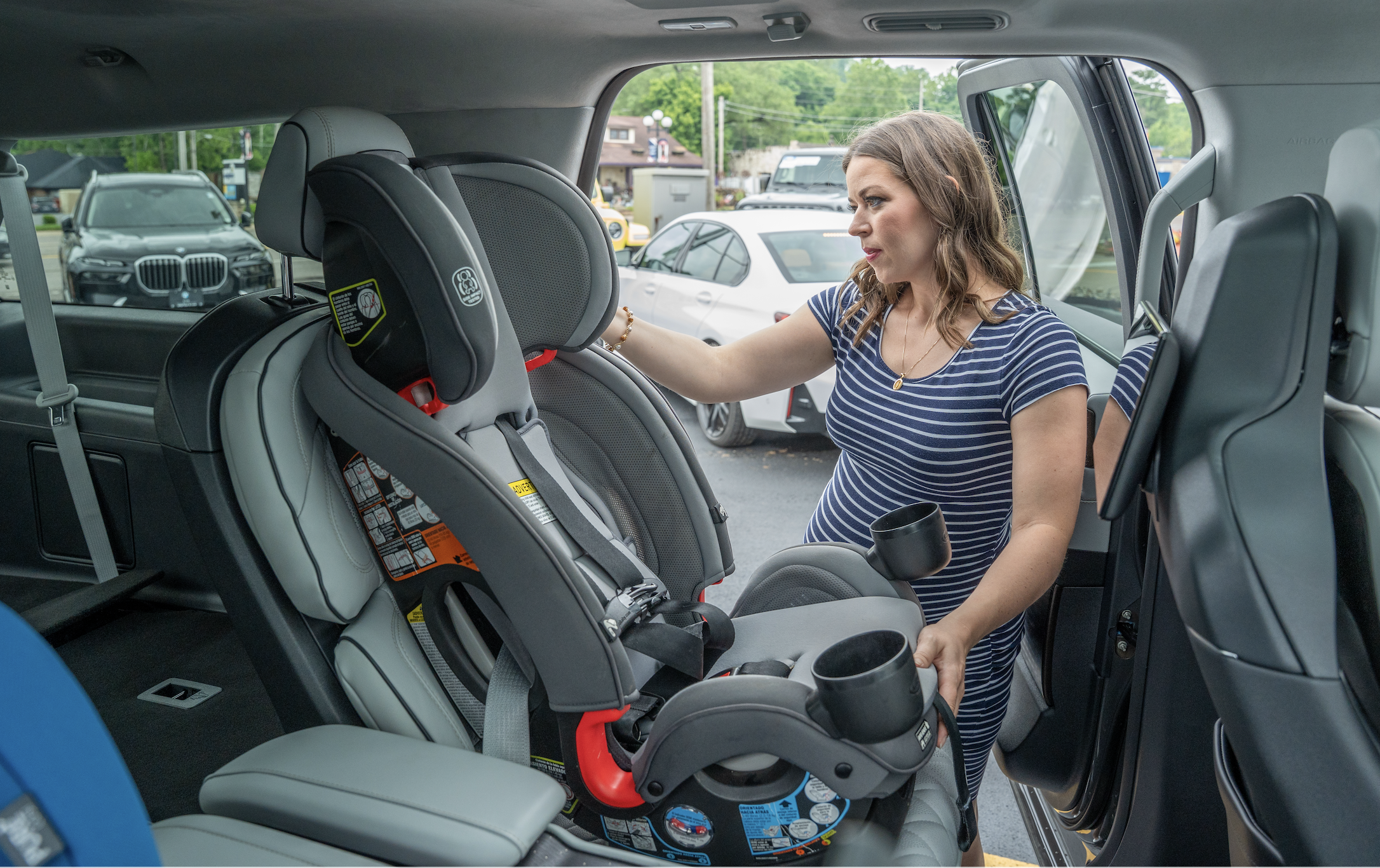
Every vehicle has different car seat hardware, anchor placements, and access points. You will hear terms like LATCH and tether anchors, and where those anchors are located in each seating position makes a huge difference in how flexible that vehicle actually is.
Two SUVs can look the same on paper, but one may allow multiple easy installations while the other makes certain positions nearly unusable. That detail alone can determine whether a car works well for three kids in seats or becomes frustrating very quickly.
Some of the most popular “mom cars” on the market right now, like the Kia Telluride and Hyundai Palisade, have smaller bench seats than most people realize. They are beautiful cars, and I recommend them often, but I do not typically suggest them for families planning to have more than two kids in car seats at once. The second simply does not accommodate three across comfortably.
On the other hand, a vehicle like the Volkswagen Atlas handles three car seats across extremely well. So it is not about which car is better overall. It is about which car works best for your specific family setup.
This is exactly why I do detailed car tours on my channel. Before you really consider a new car, look at how many car seats it can actually fit and in what configurations. That information alone can completely change your shortlist!
Building Your Shortlist the Right Way
When you're ready to start narrowing things down, I always recommend keeping your list to five cars or fewer. Think about the size you need not just today, but over the life of the car. Then look at car seat compatibility and my car tours are a great place to start!
As you watch our tours, some cars will naturally fall off your list.
That's the process working exactly as it should.
Consider Leasing If Your Situation Is Complicated
If you're in a season where your car seat setup feels particularly finicky, leasing might be worth considering. I know, I know. Leasing gets a bad reputation for not being the most economical choice. But for a family in flux, it offers something really valuable: flexibility.
A lease gives you an exit every few years. So instead of being locked into a car that works for right now but might not work for next year, you can commit to something that fits your current needs and then reassess when your family situation settles. Once your lease is up and you're through the most complicated car seat years, that's the time to invest in your long-term, 10-year car.
The Bottom Line
Car shopping isn't just a financial decision, it's also a family planning decision. Take the time to think through what your family might look like in two, three, even five years. Factor in car seat flexibility, passenger space, and how long you realistically plan to own the vehicle. The families who do this work upfront are the ones who drive the same car happily for a decade. The ones who skip it are the ones back at the dealership two years later.
You've got this — and I'm here to help every step of the way!